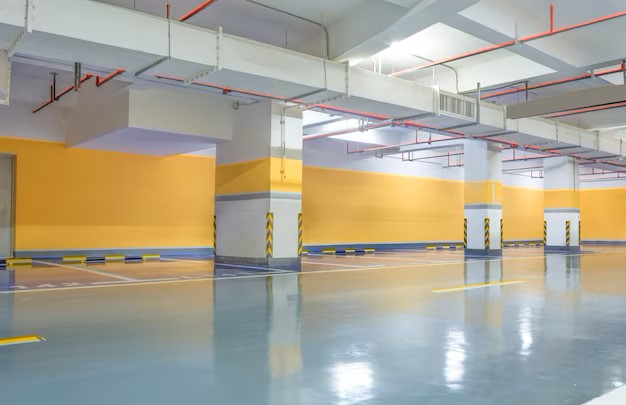
The pharmaceutical industry operates under some of the strictest hygiene, safety, and quality standards in the world. Every aspect of a pharmaceutical manufacturing facility—from equipment and flooring to walls and ceilings—must be designed to minimize contamination risks and maintain a controlled environment.
One often-overlooked but highly important element in facility design is coving. While it may seem like a simple architectural feature, coving plays a crucial role in maintaining cleanliness, improving safety, and ensuring compliance with regulatory standards.
In pharmaceutical manufacturing facilities, where even minor contamination can compromise product quality and patient safety, professionally installed coving is an essential component of hygienic infrastructure.
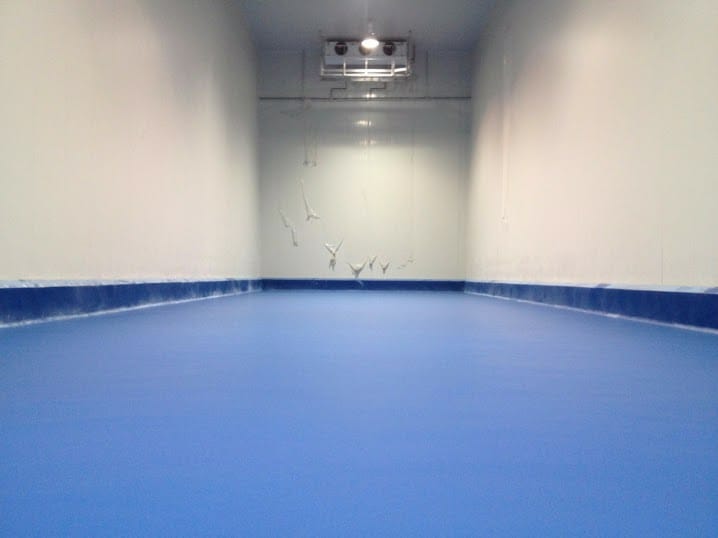
Coving is the smooth, curved transition installed between walls and floors or walls and ceilings. Instead of a sharp 90-degree angle, coving creates a seamless junction that eliminates corners where dust, dirt, moisture, and bacteria can accumulate.
Coving can be constructed using various materials, including:
In pharmaceutical environments, seamless coving is typically integrated with flooring and wall coating systems to create a continuous, easy-to-clean surface.
Pharmaceutical products directly impact human health, making contamination control a top priority.
Manufacturing facilities must maintain:
Dust, microorganisms, chemical residues, and moisture can all pose significant risks if not properly managed. Coving helps address these challenges by eliminating difficult-to-clean corners and enhancing overall facility hygiene.
Traditional wall-to-floor joints create sharp corners where dirt, dust, and microorganisms can accumulate.
Benefits:
Properly installed coving helps facilities align with:
During inspections and audits, hygienic design features can contribute positively to compliance evaluations.
Coving simplifies cleaning by providing smooth transitions that are easy to wash, disinfect, and maintain.
Advantages:
Seamless coving helps prevent moisture retention by eliminating gaps and crevices where liquids can collect.
Benefits:
Coving provides additional protection by reinforcing critical transition areas that are exposed to equipment movement, personnel traffic, and cleaning activities.
The ideal coving solution depends on:
Popular Options Include:
Professional installation ensures:
Experienced contractors understand pharmaceutical facility requirements and can deliver solutions that meet operational and regulatory expectations.
At AM Constrotech, we provide high-performance wall coating and coving solutions designed for demanding industrial and pharmaceutical environments.
Our strengths include:
We serve businesses across Greater Noida, Noida, Ghaziabad, Gurugram, Delhi, Manesar, Panipat, Meerut, Haridwar, Rudrapur, Chandigarh, and surrounding industrial regions.
Coving plays a critical role in pharmaceutical manufacturing facilities by supporting hygiene, contamination control, regulatory compliance, and operational efficiency. By eliminating difficult-to-clean corners and creating seamless transitions between walls and floors, coving helps maintain the clean and controlled environments required for pharmaceutical production.
As pharmaceutical companies continue to prioritize product quality and safety, investing in professional coving solutions becomes an essential step toward achieving long-term operational excellence. Whether building a new facility or upgrading an existing one, properly designed and installed coving can significantly enhance cleanliness, durability, and compliance throughout the manufacturing environment.