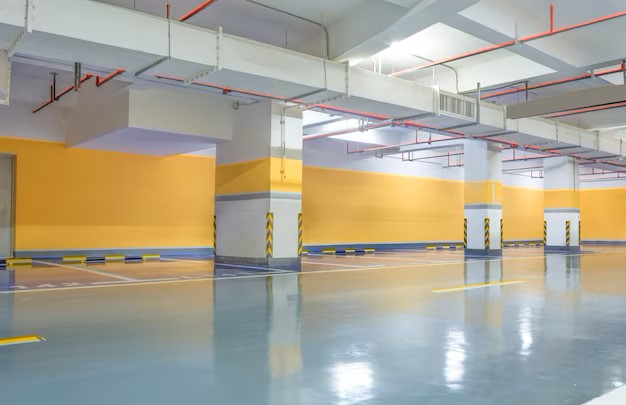
industrial epoxy flooring service

Best Flooring Solutions for Warehouses and Factories

Choosing the right flooring for warehouses and factories is more than just a design decision—it directly impacts safety, durability, efficiency, and maintenance costs. Industrial environments demand flooring that can withstand heavy loads, constant traffic, chemical exposure, and harsh working conditions.

If you’re planning to upgrade or install flooring in your industrial space, this guide will help you understand the best flooring solutions and how to choose the right one for your needs.
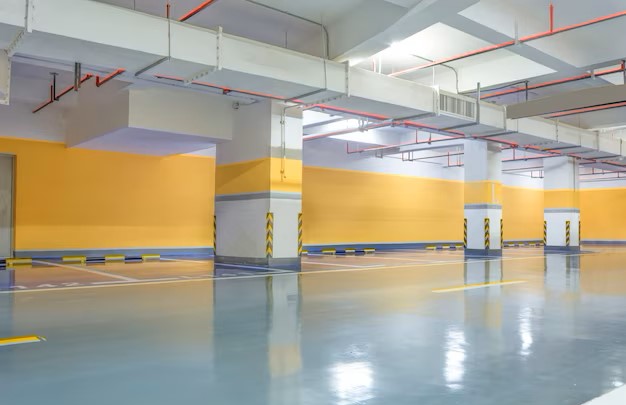
industrial epoxy flooring

Why Industrial Flooring Matters

  • Heavy machinery and equipment
  • Continuous foot and vehicle traffic
  • Chemical spills and abrasions
  • Impact from dropped materials

The right flooring solution ensures:

  • Long-term durability
  • Improved workplace safety
  • Reduced maintenance costs
  • Enhanced operational efficiency

Top Flooring Solutions

  1. Epoxy Flooring: Strong, durable, chemical-resistant, and easy to maintain.
  2. Polyurethane (PU) Flooring: Ideal for extreme temperatures and wet areas.
  3. Concrete Densifier Flooring: Improves existing concrete strength and reduces dust.
  4. Anti-Static Epoxy Flooring: Prevents static buildup in sensitive environments.
  5. Chemical-Resistant Flooring: Protects against corrosion and harsh chemicals.

Detailed Flooring Solutions

Epoxy Flooring (Most Popular Choice)

  • Highly resistant to chemicals, abrasion, and impact
  • Seamless and dust-free surface
  • Easy to clean and maintain
  • Anti-slip options available
  • Long-lasting performance

Polyurethane (PU) Flooring

  • Excellent thermal resistance
  • Flexible and crack-resistant
  • Strong chemical resistance
  • Suitable for wet areas

Concrete Densifier Flooring

  • Improves hardness and durability
  • Reduces dust formation
  • Cost-effective
  • Low maintenance

Why Epoxy Flooring Stands Out

  • Strength
  • Safety
  • Cost-effectiveness
  • Aesthetic appeal

Anti-Static Epoxy Flooring

  • Prevents static charge buildup
  • Protects sensitive equipment
  • Improves safety

Chemical-Resistant Flooring

  • Protects from corrosion
  • Extends floor life
  • Maintains structural integrity

Factors to Consider Before Choosing Flooring

  • Load Capacity
  • Chemical Exposure
  • Traffic Volume
  • Safety Requirements
  • Maintenance Needs

Installation Process Overview

  1. Surface Preparation – Cleaning, grinding, and repairing the concrete
  2. Primer Application – Enhances adhesion
  3. Coating Application – Multiple layers for strength
  4. Topcoat Application – Protects against wear and tear

Choosing the Right Service Provider

Trusted companies like AM Constrotech offer high-quality materials, skilled installation teams, customized solutions, and complete project support to ensure long-lasting flooring performance.

Final Thoughts

The right flooring solution can significantly improve the performance and safety of your warehouse or factory. Your choice should depend on operational needs, environment, and budget.

Conclusion

Warehouses and factories require flooring that can handle tough conditions without compromising on safety or efficiency. A strong floor is the foundation of a strong business.

Frequently Asked Questions
What is industrial flooring? +
Industrial flooring is a durable flooring system designed to withstand heavy loads, high traffic, and harsh conditions in factories and warehouses.
Which flooring is best for warehouses? +
Epoxy flooring is widely considered the best choice due to its durability, chemical resistance, and low maintenance.
Is PU flooring better than epoxy? +
PU flooring is better for high-temperature and moisture-prone environments, while epoxy is ideal for general industrial use.
How long does industrial flooring last? +
With proper installation and maintenance, industrial flooring can last 5–10 years or more.
Why is anti-slip flooring important? +
Anti-slip flooring improves safety by reducing the risk of accidents in high-traffic and wet areas.